Why it matters
The real costof an incident.
Every incident costs far more than the damage you can see. Understanding properly why it happened is how organisations protect their people, their reputation and their bottom line.
£22.9bn
Estimated annual cost of workplace injury and new cases of work-related ill health in Great Britain.
HSE, 2023/24
40.1m
Working days lost to work-related ill health and workplace injury.
HSE, 2024/25
680,000
Working people who sustained a non-fatal injury at work.
HSE / Labour Force Survey, 2024/25
126
Workers killed in work-related accidents.
HSE, 2025/26
01Who pays
The cost lands on everyone.
HSE estimates that injuries and new cases of ill health from current working conditions cost Great Britain £22.9 billion in 2023/24. Workers and their families carry most of it, but employers and the public purse pay billions too.
£13.4bn
Borne by individuals
£5.2bn
Borne by government
£4.3bn
Borne by employers
£6.5bn
Workplace injury
£16.4bn
Work-related ill health
Source: HSE, costs to Great Britain, 2023/24
02The hidden cost
For every £1 insured, £8 to £36 is not.
HSE costings show that for every £1 a business spends on insurance, it can be losing between £8 and £36 in uninsured costs. Like an iceberg, most of the damage sits out of sight. Tap a number to see what lies beneath.
Above the waterline
InsuredCompensation paid out under employers’ liability insurance to people who were hurt or made ill.
Damage to vehicles, buildings or property that your policy covers.
Below the waterline
UninsuredWages for people off work, plus the hours colleagues lose helping, giving statements or covering.
Paying others to cover the work while the injured person is away, and training them to do it.
Stoppages, lost output and missed deadlines while the scene is made safe and work is reorganised.
Policy excesses, and damage to product, plant, tools and equipment that falls outside cover.
Supervisors and managers pulled away from their day jobs to deal with the aftermath.
Criminal fines cannot be insured, and many legal and defence costs fall outside cover too.
Clients who lose confidence, missed tenders and orders that go elsewhere.
Damage to your name in the market, and to how your people feel about working for you.
Source: HSE, HSG245 Investigating accidents and incidents, 2014 edition
03Cost to your business
What a single case costs the employer.
HSE’s average cost to the employer alone, per case. The cost to the injured person and to society comes on top.
£111,000
per fatal injury
£7,500
per injury causing 7 or more days’ absence
£10,000
per case of work-related ill health causing 7 or more days’ absence
Across society as a whole, HSE puts the cost of a single work-related fatality at £2,185,000.
Source: HSE appraisal values, 2024 prices
04Two approaches
Reactive or proactive?
HSE is clear that near misses are just as worth investigating as accidents, and far easier. Switch between the two to see the difference.
Wait for harm, then look for someone to blame.
- When it starts
- After someone has been hurt.
- The question asked
- Who got it wrong?
- What it finds
- The immediate cause.
- What changes
- A reprimand, a refresher, a new sign.
- How it is paid for
- In disruption, claims and lost trust.
“If you think safety is expensive, try an accident.”
05Who it reassures
A good investigation speaks to everyone who relies on you.
The people who regulate, insure, fund, hire and work for your organisation all want the same thing: evidence that you understand what went wrong and have fixed it.
Regulators and courts
Employers must plan, organise, control, monitor and review their health and safety arrangements. A thorough investigation, followed by action, shows a court that your organisation takes safety seriously.
Insurers
Clear, factual findings give your insurer the information it needs if a claim is made, and show that your risks are understood and controlled.
Investors and boards
Confidence that losses are contained, risk is managed and leadership learns from what goes wrong rather than repeating it.
Clients
Reassurance that you are a dependable partner, with fewer stoppages, delays and surprises on their work.
Your workforce
Proof that problems are taken seriously and dealt with fairly. People who are involved in the fixes are far more likely to support them.
06The return
What a good investigation gives back.
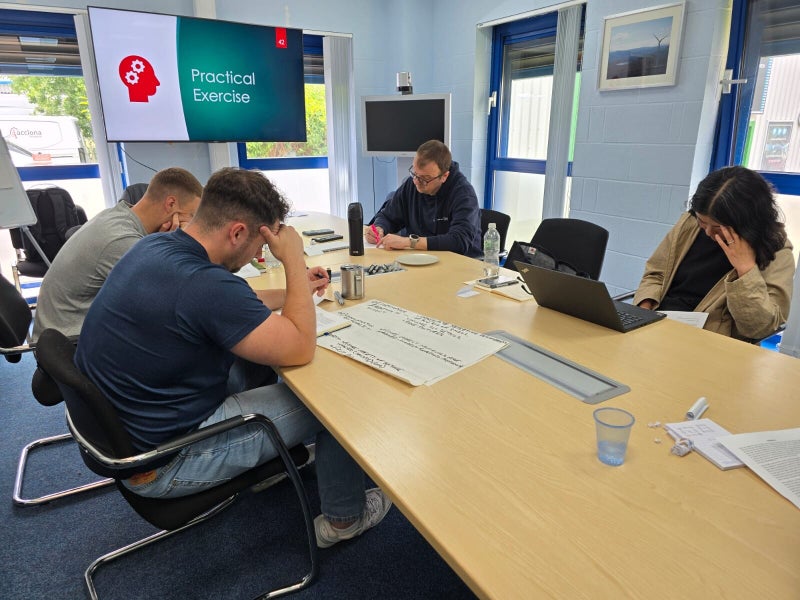
HSE sets out the benefits of investigating properly. S2N trains your people to deliver them, with a method that builds insight rather than blame.
- 1
Fewer repeat events
Find the real causes, so the same accident does not happen again.
- 2
Fewer business losses
Less disruption, fewer stoppages and lost orders, and lower exposure to criminal and civil legal costs.
- 3
A true picture of work
See how work is really done, not just how the procedure says it is done.
- 4
Better morale
People cooperate with new precautions when they see problems being dealt with.
- 5
Stronger managers
Investigation skills carry over into planning, problem-solving and leadership.
- 6
A defensible record
Evidence that you met your legal duties and acted on what you found.
Sources
- Health and Safety Executive, Health and safety statistics: key figures for Great Britain (2024/25)
- Health and Safety Executive, Costs to Great Britain of workplace injuries and new cases of work-related ill health (2023/24)
- Health and Safety Executive, Appraisal values: costs per case of workplace injury and ill health (2024 prices)
- Health and Safety Executive, HSG245 — Investigating accidents and incidents (2014 edition)
Start a conversation
Turn every incident into lasting prevention.
Tell us about your organisation, your priorities and your situation. We will shape training and support around them.